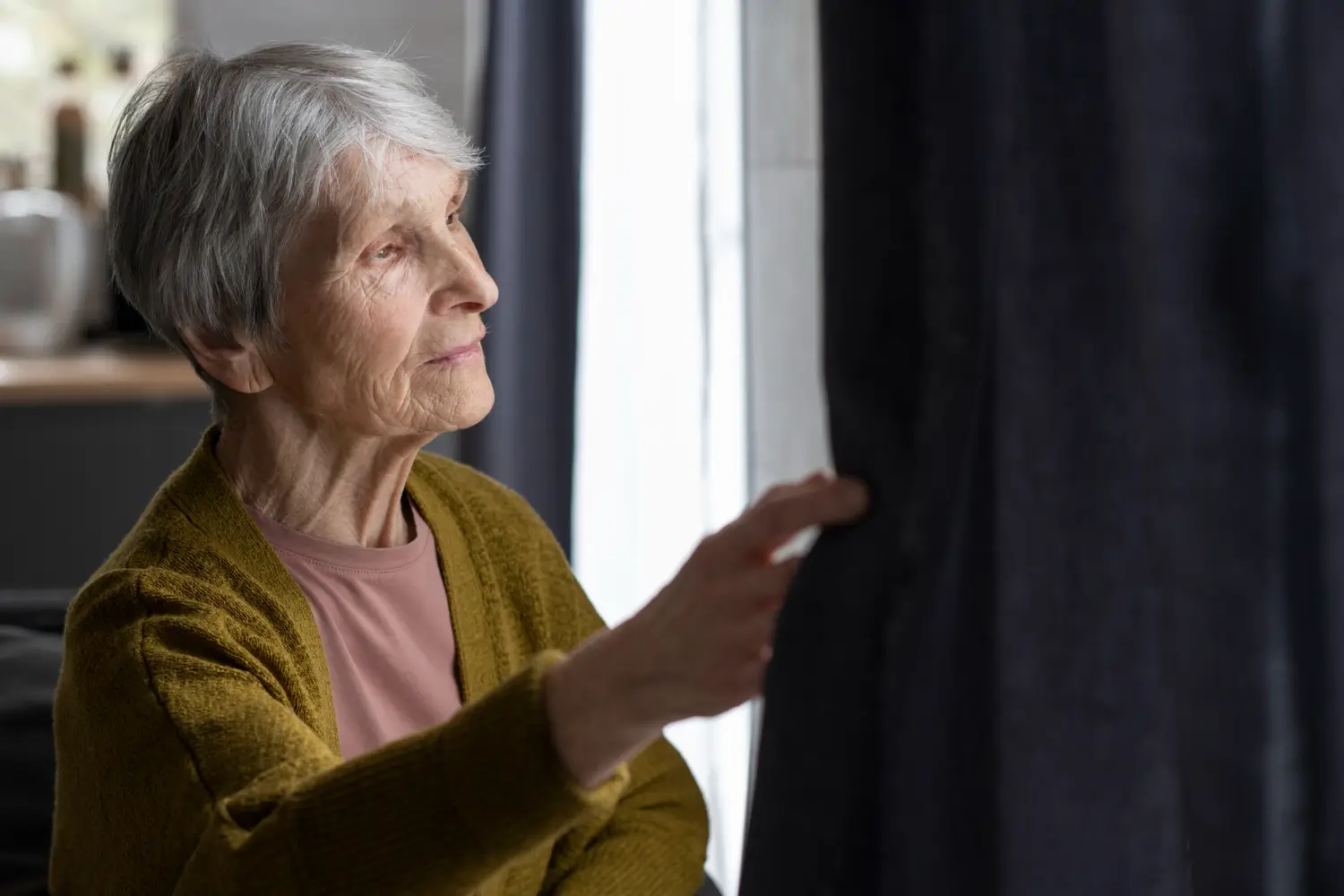
Touch and Seniors
As the human life cycle reaches its later stages, the dialogue surrounding health often shifts toward medication, mobility, and cognitive decline. However, one of the most significant yet frequently ignored factors in geriatric well-being is the power of physical touch. For seniors, touch is often the last remaining bridge to the world when other senses, such as hearing or vision, begin to fade. In an age group that is increasingly vulnerable to isolation, nurturing contact is not merely a comfort—it is a clinical necessity.
The "Skin Hunger" of the Elderly
In geriatric care, there is a poignant term used to describe the lack of physical contact: skin hunger. As people age, their social circles often shrink due to the loss of partners, friends, and siblings. Simultaneously, the nature of their interactions changes. Many seniors find that the only hands that touch them are those of medical professionals wearing latex gloves. This transition from affectionate, personal touch to clinical, functional touch can lead to a profound sense of “sensory deprivation.”
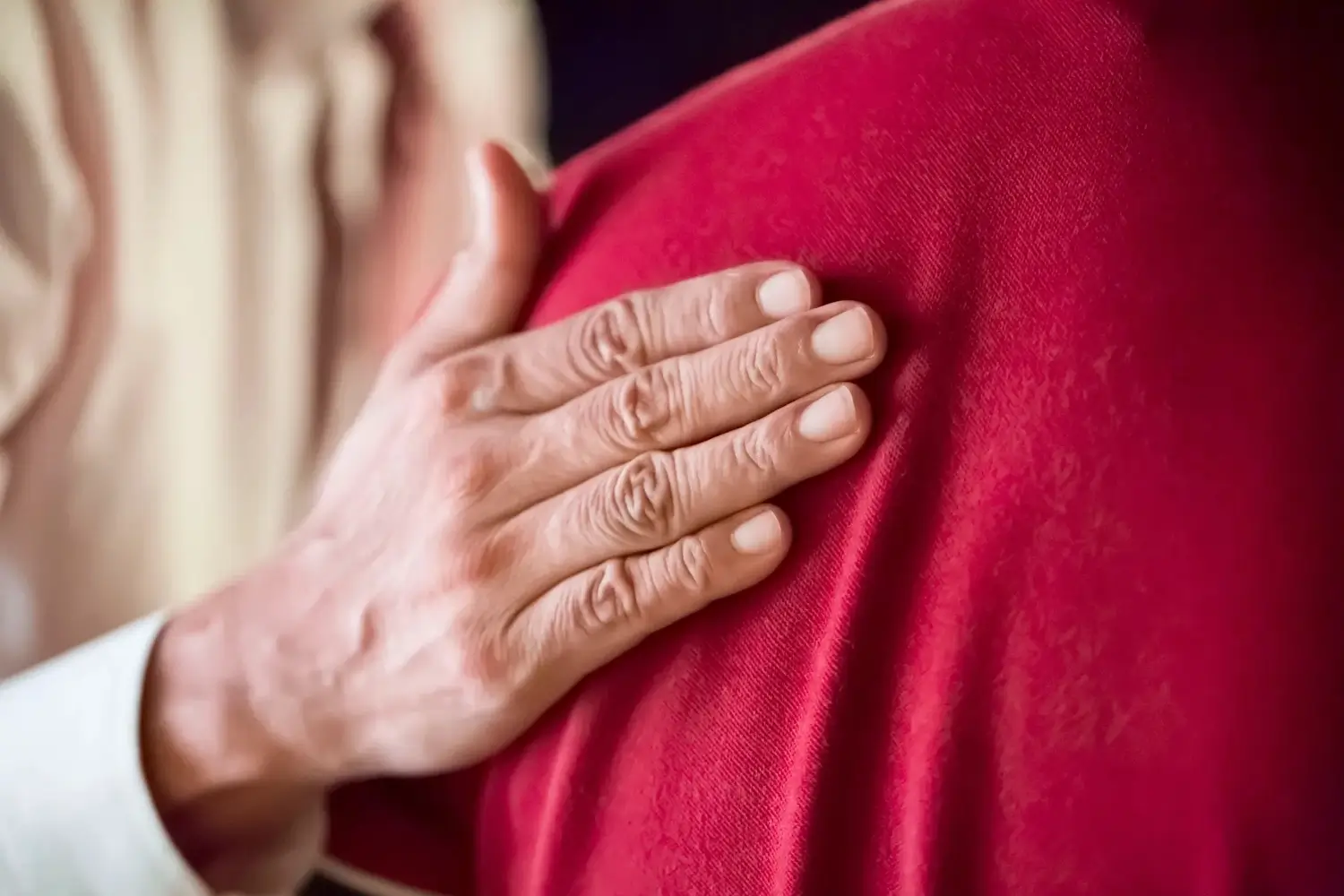
The psychological impact of skin hunger in seniors is linked to higher rates of depression and a sense of “invisibility.” When a person is no longer touched, they often feel as though they have lost their place in the social fabric. Reintroducing non-clinical touch—such as holding a hand during a conversation or a gentle hug—can immediately reaffirm a senior’s sense of dignity and existence.
The Physiological Shield: Immunity and Pain Management
The benefits of touch for seniors extend far beyond emotional health; the physiological impacts are measurable and significant. Research in psychoneuroimmunology shows that positive tactile stimulation can actually boost the immune system. For an aging body, which naturally becomes more susceptible to illness, this hormonal boost is a vital line of defense.
- Blood Pressure and Heart Health: Gentle touch activates pressure receptors under the skin that send signals to the vagus nerve. This stimulation helps lower blood pressure and heart rate, reducing the strain on the cardiovascular system.
- Pain Reduction: The “Gate Control Theory” of pain suggests that tactile stimulation can interfere with pain signals traveling to the brain. For seniors suffering from chronic conditions like arthritis, regular massage or even simple hand-holding can act as a natural, non-pharmacological supplement for pain management.
- Cortisol Regulation: Aging is often accompanied by increased anxiety regarding health and mortality. Touch effectively lowers cortisol levels, allowing the body to remain in a “rest and digest” state rather than a “fight or flight” state, which promotes better sleep and digestion.
Touch as a Tool for Dementia and Alzheimer’s Care
One of the most remarkable applications of touch is in the care of individuals living with dementia or Alzheimer’s disease. As cognitive abilities and verbal communication decline, the “language of the skin” remains intact.
For a person who may be confused by their surroundings or unable to recognize faces, a firm, warm hand on the shoulder can provide an immediate sense of grounding. Studies have shown that “expressive touch” can reduce the agitation, pacing, and verbal aggression often associated with late-stage dementia. It provides a non-verbal cue that the environment is safe and that the individual is not alone. In many cases, a simple touch can communicate more than an hour of spoken reassurance.
Overcoming the Barriers to Physical Connection
Despite the clear benefits, there are several barriers that prevent seniors from receiving the touch they need. These include societal taboos regarding aging and the body, the “hands-off” policies in some care facilities, and the physical distance of family members. To combat this, we must be intentional:
- Intentional Caregiving: Family members and caregivers should be encouraged to incorporate touch into daily routines—applying lotion to a parent’s hands, brushing their hair, or simply sitting close enough for shoulders to touch.
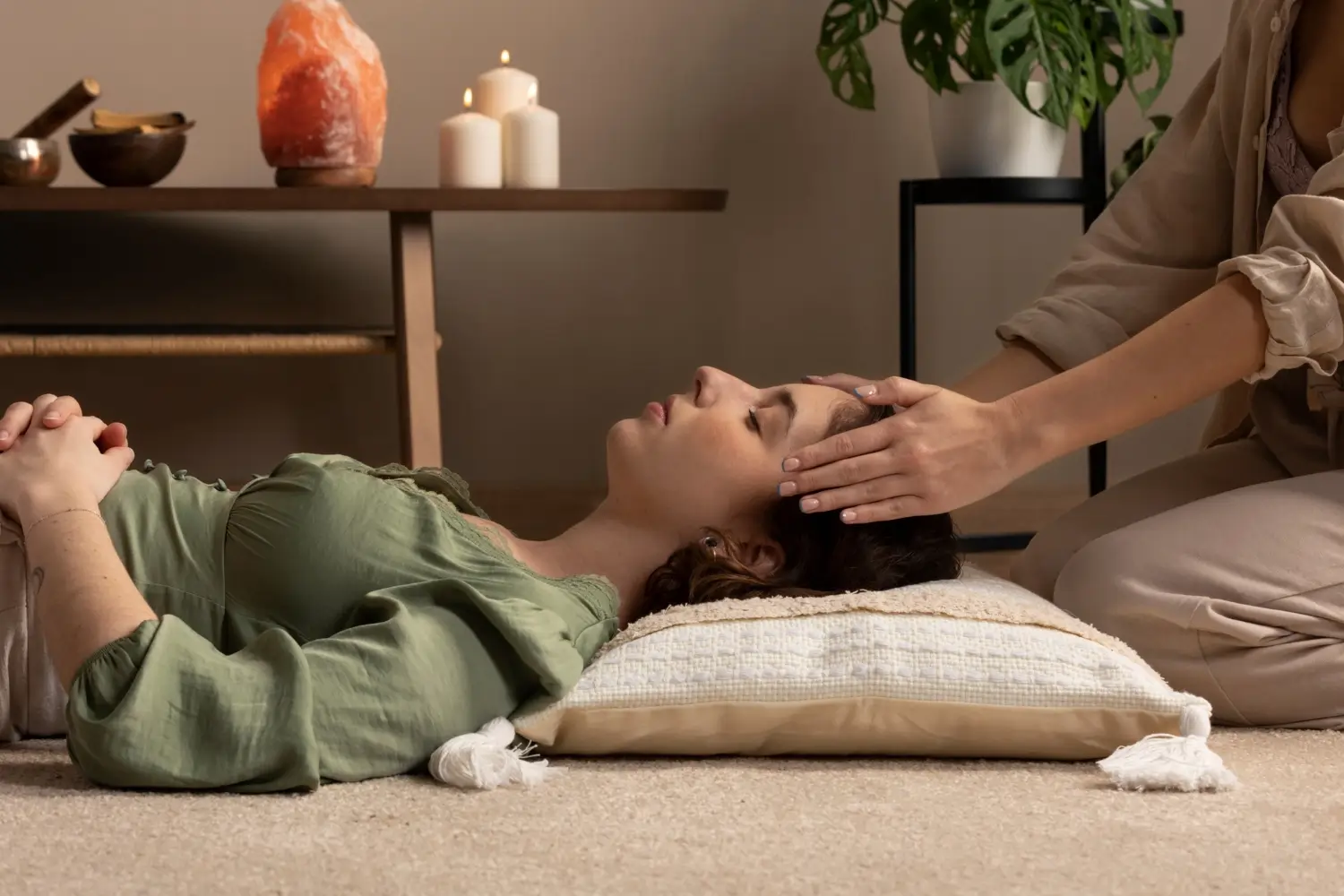
- Therapeutic Touch: Programs involving massage therapy, “cuddle therapy,” or even manicures can provide structured opportunities for seniors to experience positive touch.
- Pet Therapy: For seniors who may be hesitant about human contact or who live alone, the tactile experience of stroking a dog or cat can provide similar neurochemical benefits, reducing loneliness and lowering stress.
Conclusion
In the final chapters of life, the need for human connection is perhaps more urgent than at any other time. Touch is a powerful reminder that we are still here, still valued, and still connected to the human family. By prioritizing tactile interaction for seniors, we do more than just improve their mood—we support their immune systems, manage their pain, and honor their humanity. It is time we view touch not as an optional luxury of youth, but as a fundamental right of the elderly.