Touch and Body Language
In the vast spectrum of human communication, words represent only a small fraction of the messages we send and receive. The majority of our interaction is silent, conveyed through the tilt of a head, the crossing of arms, or the subtle distance we maintain from one another. At the pinnacle of this non-verbal hierarchy is Touch. As the most intimate form of body language, touch has the power to override verbal cues, establish instant authority, or provide profound comfort. Understanding the relationship between Touch & Body Language is essential for mastering the art of human connection and emotional intelligence.
The Tactile Dimension of Non-Verbal Communication
Body language is often divided into several categories, such as body movement and proxemics space. Touch, scientifically known as haptics, acts as the bridge between these categories. It is the moment where personal space is surrendered and a physical connection is established.
Because touch involves a physical “intrusion” into another person’s space, it is the most heavily scrutinized form of body language. Our brains are hardwired to interpret the intent behind a touch almost instantly. Is the touch accidental or intentional? Is it supportive or dominant? The context—combined with other non-verbal signals like facial expressions and posture—determines how the message is received.
The Power Dynamics of Touch
In the world of body language, touch is a significant indicator of social status and power. Historically and sociologically, the person in the “superior” position—whether a boss, an elder, or a leader—is more likely to initiate touch than the person in the “subordinate” position.
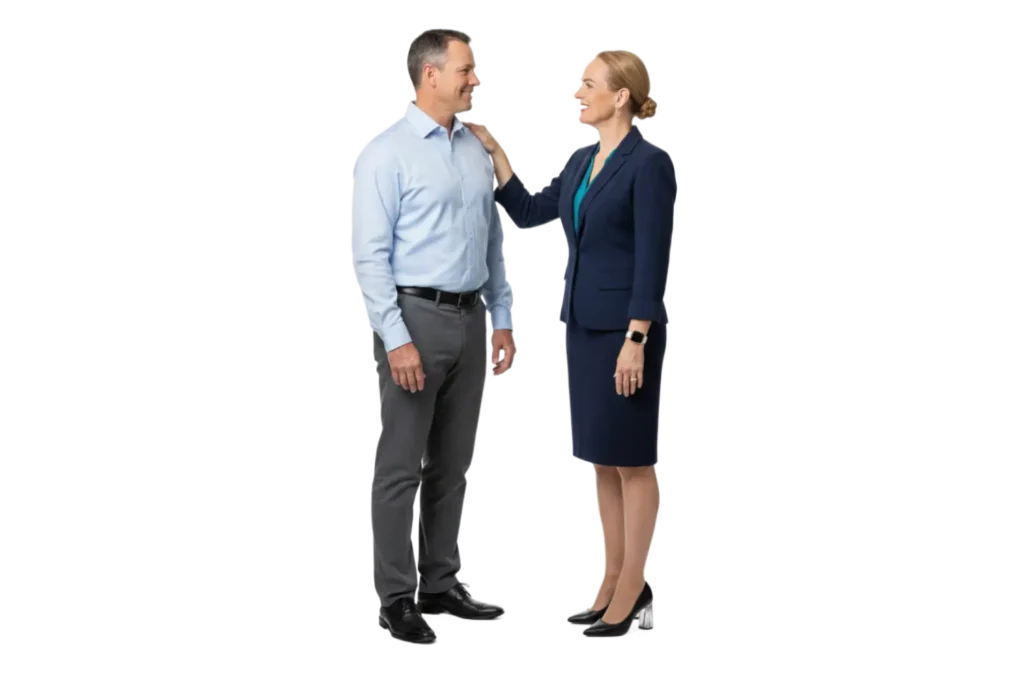
A hand on the shoulder, for example, is a classic “dominant-supportive” gesture. If a manager places a hand on an employee’s shoulder, it is often seen as a sign of mentorship or praise. However, if the employee were to initiate the same gesture toward the manager, it might be perceived as overstepping a boundary. This “tactile hierarchy” is a subtle but powerful force in professional and social environments.
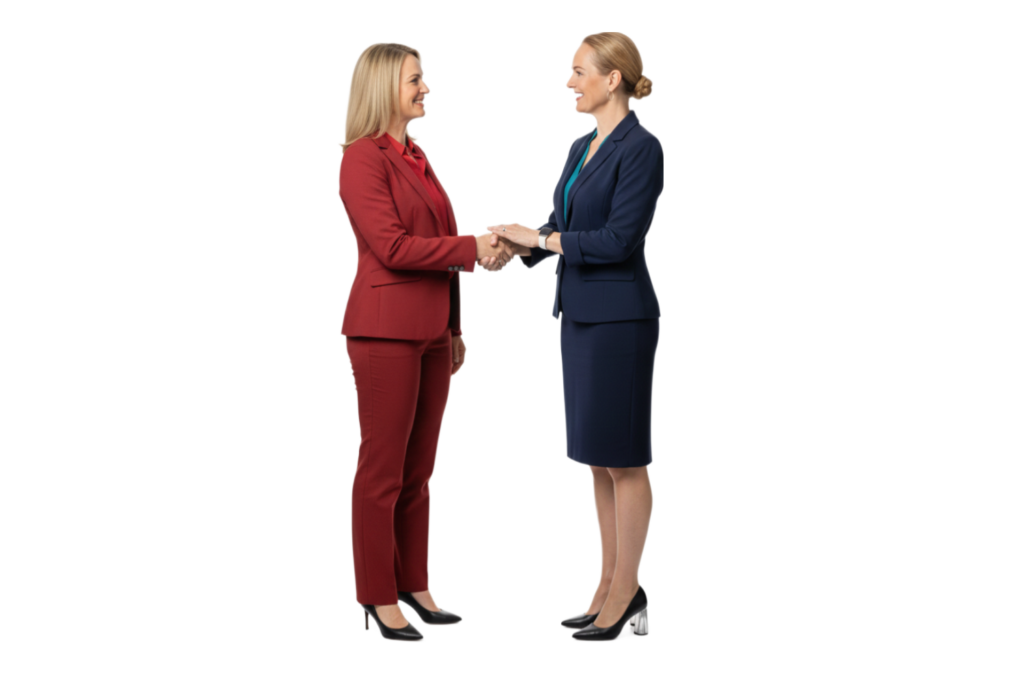
Furthermore, the handshake remains the most important tactile “negotiation” in the modern world. A firm handshake suggests confidence and reliability, while a weak “dead fish” grip can signal submissiveness or a lack of interest. The “double-handed” handshake—where one person uses their left hand to cover the other person’s hand or arm—is a power move intended to convey extra warmth, but it can also be interpreted as an attempt at control.
Touch as an Emotional Amplifier
While words can be used to hide feelings, touch often reveals the truth. This is because touch is directly linked to the limbic system, the part of the brain responsible for emotions.
- Reassurance: When someone is distressed, their body language often “closes in”. A gentle touch on the arm can act as a “spatial expander,” helping the person feel grounded and safe enough to open up.
- Intimacy and Trust: In romantic or close platonic relationships, touch serves as an emotional “glue.” Mirroring—a body language technique where you subtly mimic the posture of another—becomes much more effective when combined with light, intermittent touch. It signals that the two individuals are “in sync” neurologically.
- Incongruence: One of the most important aspects of reading body language is spotting incongruence. If someone says “I’m fine” with a smile, but their body pulls away or stiffens when you touch their arm, the tactile feedback is the more honest indicator of their internal state.
The "Social Skin": Touch in Public Spaces
How we use touch as body language in public is heavily dictated by social norms. In “high-contact” cultures, public touch is a sign of transparency and friendliness. In “low-contact” cultures, touch is often seen as a private act, and its public display is carefully moderated.
Interestingly, the lack of touch also sends a powerful message. In a relationship, a sudden “tactile withdrawal”—where partners stop holding hands or sitting close—is often the first sign of emotional distance, long before the first argument occurs. Similarly, in a professional setting, a complete lack of touch can make an environment feel sterile and untrusting.
Navigating the Ethics of Tactile Body Language
In a post-modern world, the ethics of touch in body language are more important than ever. Because touch is so powerful, it must be used with high levels of consent and awareness.
- Read the Room: Before initiating touch, observe the other person’s “pre-touch” body language. Are they leaning in? Is their posture open? Or are they creating “barrier signals” with their arms or bags?
- The “Vegas Rule” of Professional Touch: In many professional cultures, touch is restricted to the “safe zones”—the hands, the arms, and the upper back.
- Cultural Sensitivity: As discussed in previous articles, body language is not universal. A gesture of touch that means “friendship” in one culture might mean “aggression” in another.
Conclusion
Touch is the exclamation point of body language. It can turn a simple greeting into a profound connection or a professional meeting into a partnership based on trust. By becoming more aware of the subtle messages we send through our skin, we can improve our communication, deepen our relationships, and navigate the social world with greater empathy and precision. We must remember that while the tongue can lie, the skin—and the way it interacts with the world—usually tells the truth.