Seven Types of Touch
The human skin is the largest organ of the body, packed with millions of sensory receptors that act as a sophisticated communication network. While we often categorize physical contact under the broad umbrella of “touch,” the nuances of how we interact physically are incredibly diverse. From a clinical perspective and a social one, not all touch is created equal. Each type carries a different neurological signature, a different emotional weight, and a different social intention. Understanding the Seven Types of Touch allows us to better navigate our relationships and appreciate the complex language of the human body.
1. The Functional-Professional Touch
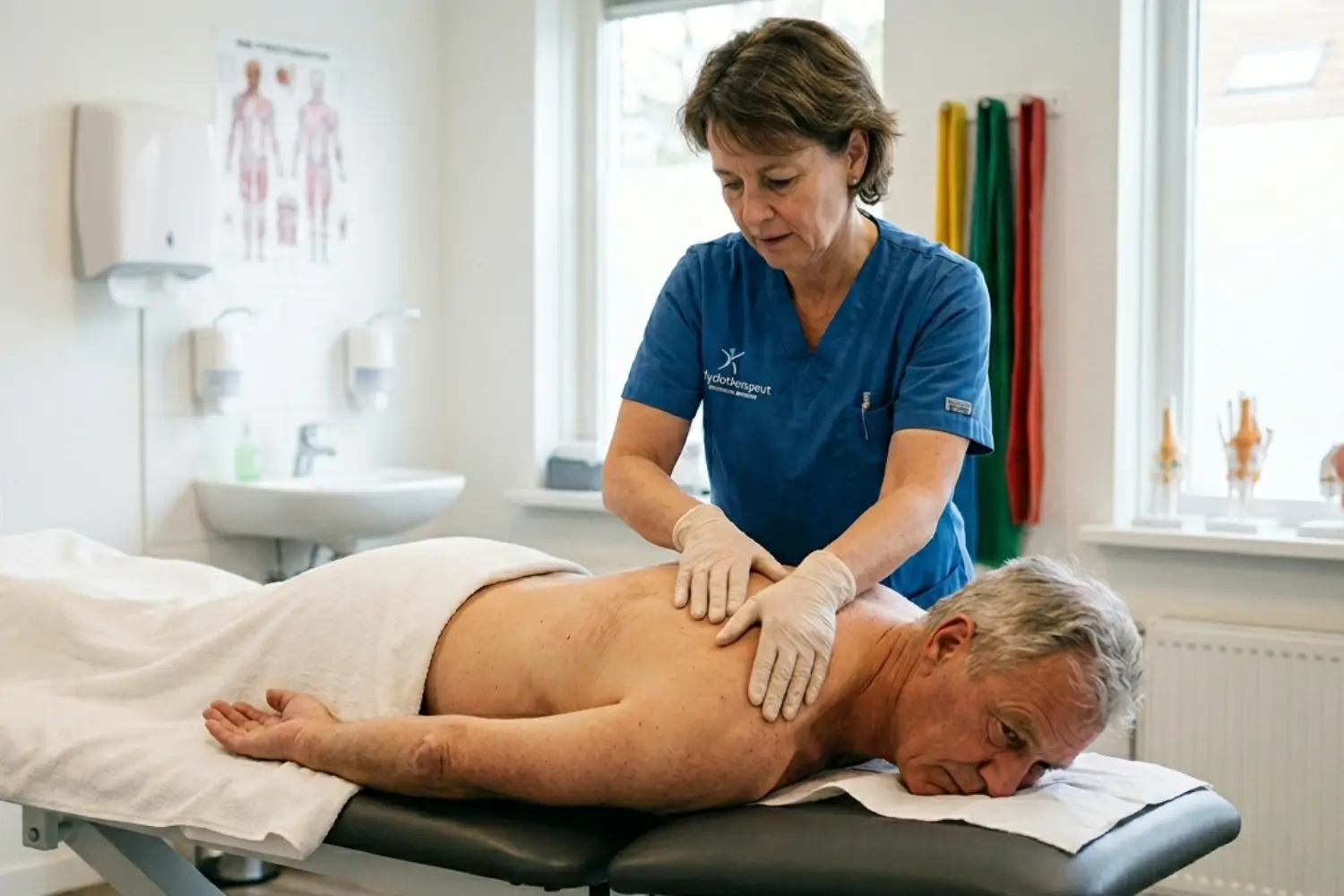
This is the most detached form of touch, yet it is essential for the functioning of society. It occurs when one person touches another to perform a specific task or service. Examples include a doctor conducting a physical exam, a tailor measuring a suit, or a hairstylist cutting hair.
In this context, the touch is “de-personalized.” The recipient usually perceives the person touching them as an object of service rather than a source of intimacy. Despite its clinical nature, functional touch is still vital; for many isolated individuals, the touch of a dental hygienist or a physiotherapist might be the only physical contact they receive in a week, providing a subtle but necessary grounding effect.
2. The Social-Polite Touch
Social-polite touch is governed by cultural norms and serves to acknowledge the presence of another person while maintaining a respectful distance. The most common example is the handshake.
This type of touch is a bridge between strangers or acquaintances. It neutralizes potential hostility and establishes a baseline of mutual respect. In many cultures, failing to engage in this type of touch can be seen as a sign of disrespect or social coldness. Neurologically, even a brief handshake can trigger a small release of oxytocin, helping to build immediate, though superficial, trust.
3. The Friendship-Warmth Touch
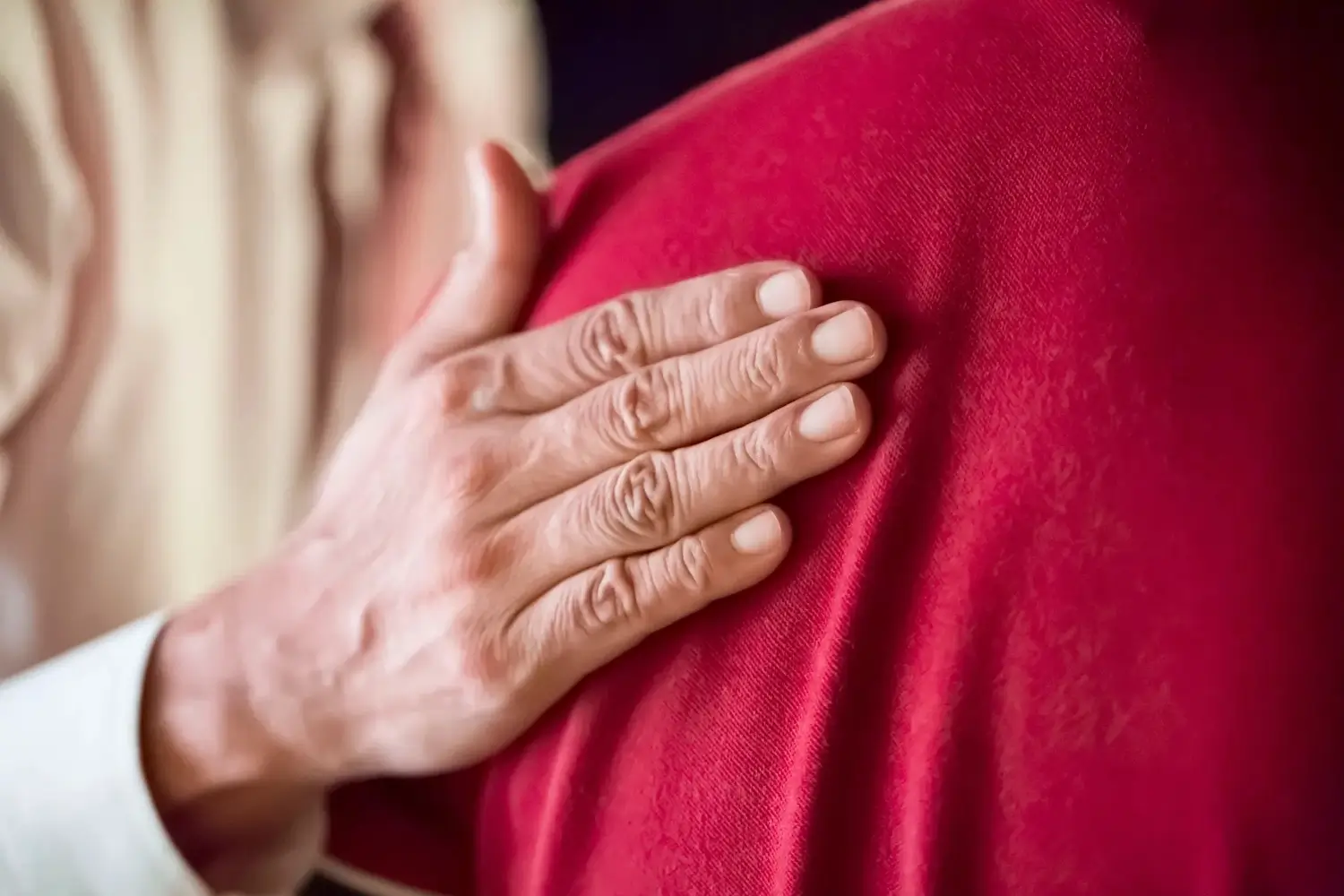
As we move into the realm of friendship, touch becomes more varied and personalized. This type of touch signals that you recognize the other person as a unique individual and a friend. It includes a pat on the back, a “fist bump,” or a brief, one-armed hug.
The Friendship-Warmth touch is often the most difficult to navigate because it requires a correct reading of the other person’s boundaries. However, when executed correctly, it reinforces social bonds and provides emotional support without the “weight” of deeper intimacy. It says, “I am here, and I support you.”
4. The Love-Intimacy Touch
This category is reserved for those with whom we share a deep emotional connection, such as close family members, partners, or very best friends. This touch is often more prolonged and involves greater skin-to-skin contact, such as a full-body hug, holding hands, or a lingering hand on the cheek.
This type of touch is a powerful regulator of the nervous system. Because there is a high level of trust, the body fully relaxes, allowing for a significant drop in cortisol and a massive surge in oxytocin. It is the primary way humans communicate “you are safe and loved” without using words.
5. The Sexual-Arousal Touch
While often grouped with intimacy, sexual touch is functionally different because its primary goal is physical stimulation and procreation. It involves specific areas of the body and a different set of neurochemical responses, including the release of dopamine, which creates a “reward” sensation in the brain. In a healthy context, this type of touch is a vital component of adult romantic bonding, but it relies entirely on the foundation of consent and mutual desire.
6. The Aggressive-Dominant Touch
It is important to acknowledge that not all touch is positive. Aggressive touch is used to exert power, control, or harm. This includes pushing, grabbing, or any contact made against a person’s will.
From a developmental standpoint, experiencing aggressive touch—especially in childhood—can re-wire the brain to associate physical contact with danger rather than safety. This is why understanding the “Seven Types” is crucial; it helps individuals distinguish between healthy communication and boundary violations, fostering better bodily autonomy.
7. The Healing-Therapeutic Touch
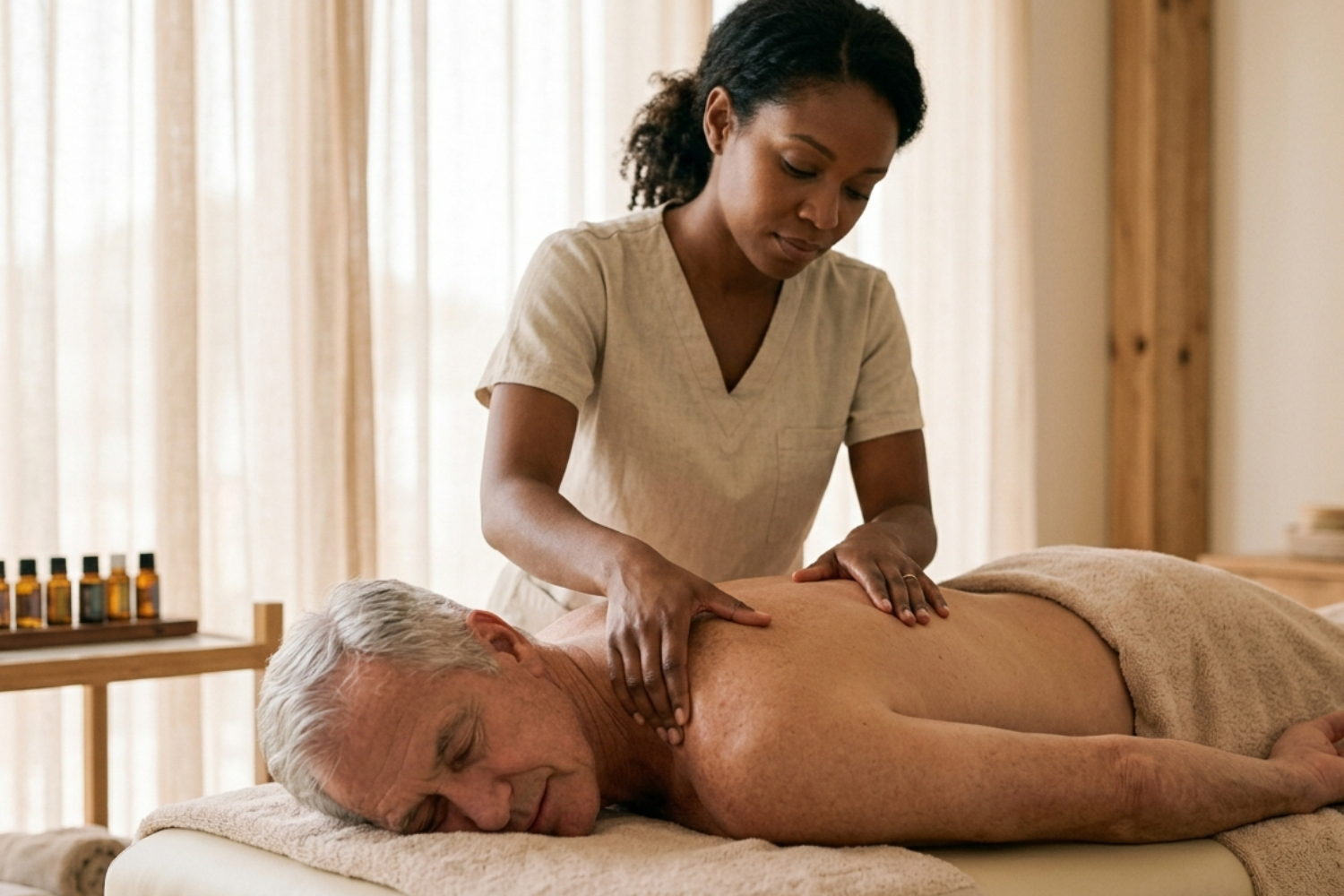
Healing touch is a specialized form of contact intended to improve physical or psychological well-being. This includes professional massage therapy, “reiki,” or the intentional “laying on of hands” in a spiritual or comforting context.
What sets therapeutic touch apart is the intent. The practitioner focuses their energy and physical pressure on releasing tension or facilitating the body’s natural healing processes. For seniors or those suffering from chronic pain, therapeutic touch can be a life-changing intervention, proving that the skin is a gateway to the internal recovery systems of the body.
Conclusion
By categorizing the touch we give and receive, we become more mindful of our interactions. Whether it’s the formal handshake of a business meeting or the deep embrace of a loved one, every touch sends a message. Recognizing these seven types allows us to honor our boundaries, respect the boundaries of others, and harness the incredible power of human connection to lead healthier, more grounded lives.