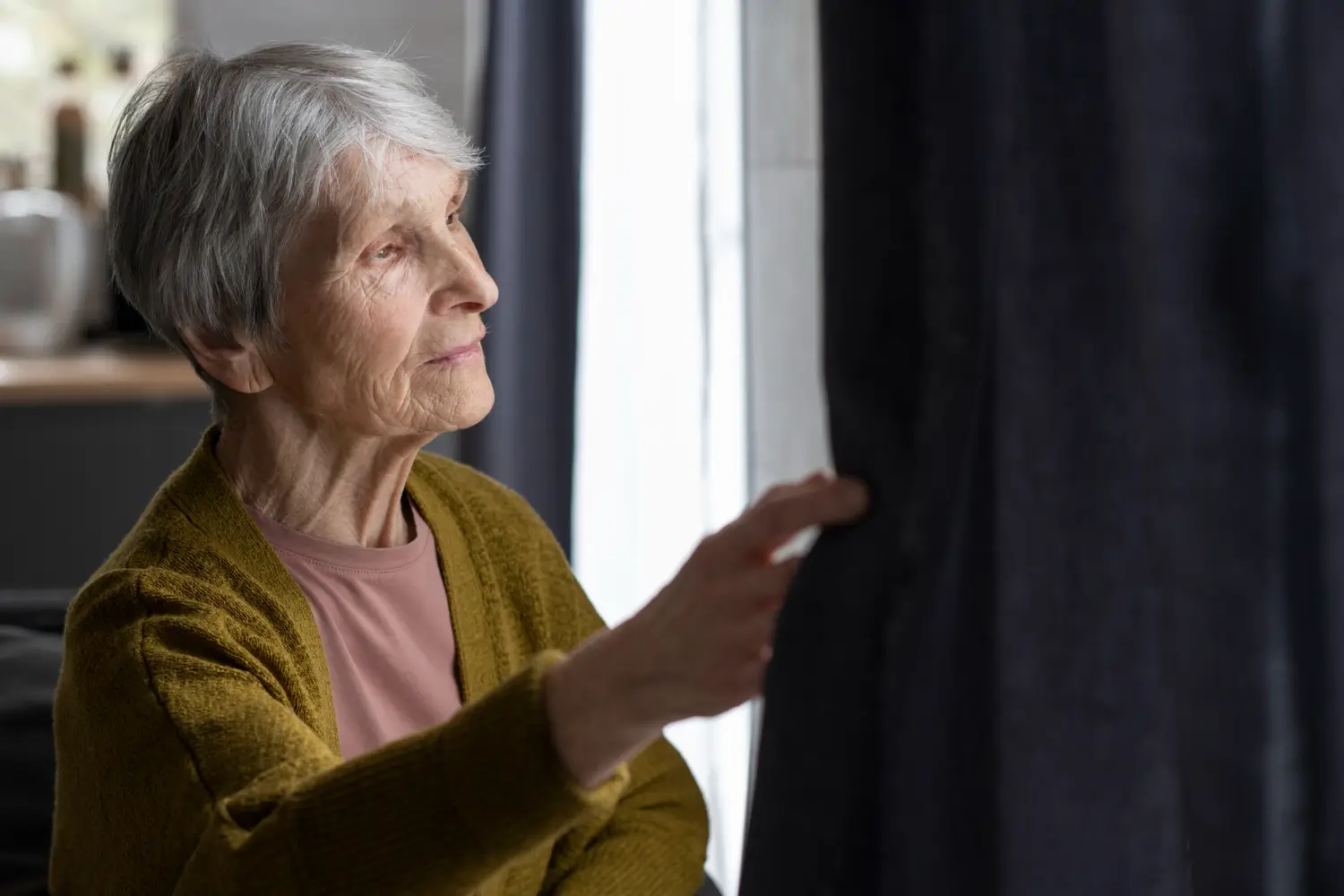
Touch After Childhood
While we readily acknowledge the necessity of touch for infants and toddlers, there is a common misconception that the need for physical contact diminishes as we reach adulthood. In reality, the human “skin hunger” identified in childhood does not disappear with age; it simply evolves. Touch remains a vital biological necessity throughout our teenage years, adulthood, and into old age, serving as a powerful tool for emotional regulation and physical health.
The Loneliness Epidemic and Sensory Deprivation
In an increasingly digital world, society is facing what researchers call a “touch deficit.” As we transition out of childhood, the frequent hugs and constant physical proximity of caregivers are often replaced by handshakes or, more recently, digital interactions. However, the brain’s architecture remains wired for tactile input.
When we lack physical contact, our bodies can enter a state of chronic stress. Touch is the primary “off-switch” for the body’s stress response. Without it, cortisol levels remain elevated, which can lead to sleep disturbances, a weakened immune system, and increased feelings of isolation. For adults, touch is not just about affection; it is a fundamental biological signal that we are safe and part of a community.
The Neurobiology of Adult Connection
The biological mechanisms that govern touch in childhood remain active throughout our lives. When we experience skin-to-skin contact, or even a firm “high-five,” the brain continues to produce oxytocin. In adults, this hormone plays a crucial role in maintaining long-term relationships and fostering social cohesion.
Furthermore, touch stimulates the vagus nerve, a key component of the parasympathetic nervous system. This stimulation slows the heart rate and lowers blood pressure. Whether it is a therapeutic massage, a warm embrace from a partner, or the comforting presence of a pet, these tactile experiences act as a natural sedative for a frantic mind.
Restoring Balance: Touch in the Modern Era
As we move through adulthood, we must be intentional about incorporating healthy touch into our lives. This can be challenging in a professional or socially distant world, but there are several ways to bridge the gap:
- Platonic Affection: Normalizing hugs among friends and family members to reinforce social bonds.
- Professional Bodywork: Utilizing massage therapy or physiotherapy to provide the nervous system with necessary tactile input.
- Animal Companionship: Interaction with pets has been scientifically proven to lower stress levels and provide a significant sense of tactile comfort.
- Self-Care Rituals: Even self-applied touch, such as using a weighted blanket or a mindful skincare routine, can provide a sense of groundedness and security.
Conclusion
Touch after childhood is often overlooked, yet it remains the most direct way to communicate empathy and maintain physiological balance. By recognizing that our need for connection is a lifelong requirement, we can move toward a more compassionate and physically healthy society. We never outgrow the need to feel connected to the world around us.